Mapping Security Credentials to Diverse Entertainment Choices and Expedited Fund Releases in Application-Based Casino Offerings
Viktor Peters · Sep 12, 2026
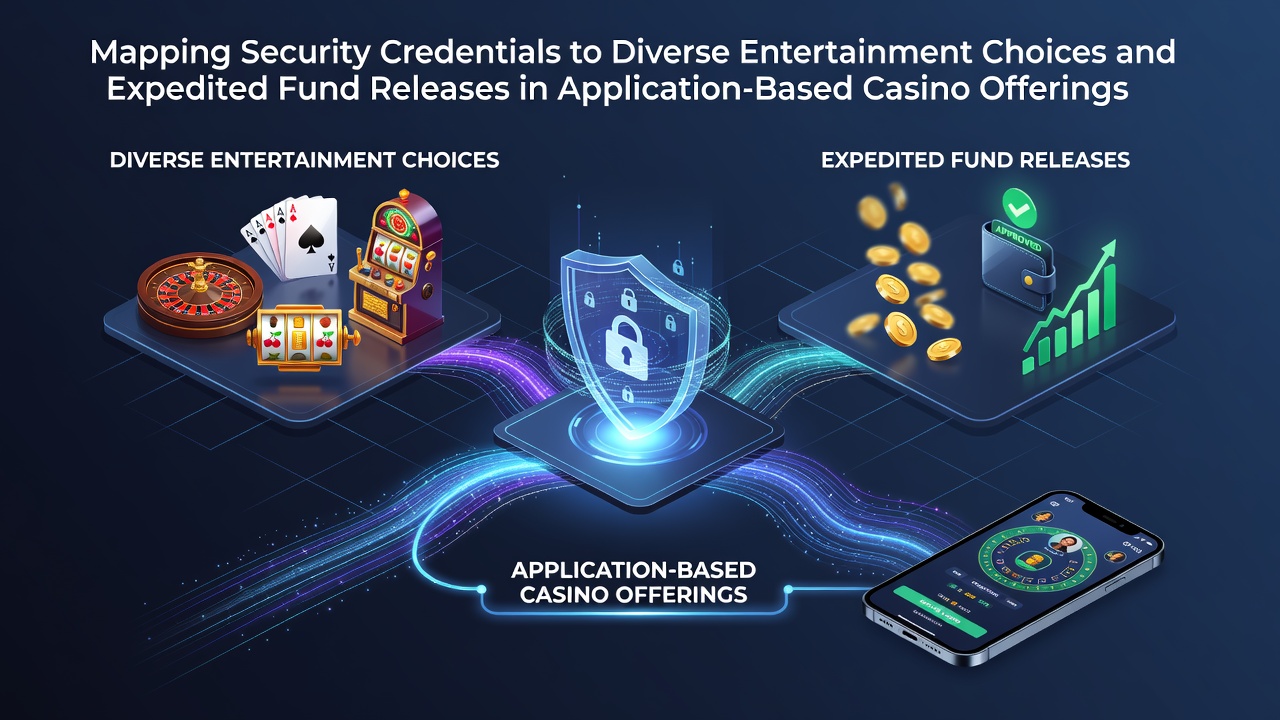
Mapping Security Credentials to Diverse Entertainment Choices and Expedited Fund Releases in Application-Based Casino Offerings
Application-based casino platforms connect verified security credentials directly to user selections across slots, live dealer tables, and other interactive formats while streamlining the release of funds once authentication clears. These systems rely on layered verification methods that match credential strength to the range of available entertainment options and the speed of transaction processing. Data from regulatory filings show that platforms using multi-factor authentication and biometric checks often reduce processing times for withdrawals by aligning verified profiles with approved payment networks.
Credential mapping starts with initial account setup where users provide identification documents and link payment methods. Once approved, the system assigns access levels that determine which game categories become available and which withdrawal channels activate without additional reviews. Observers note that this structure allows platforms to maintain compliance across jurisdictions while users explore varied content such as video slots, roulette streams, and blackjack sessions in a single session.
Credential Layers and Game Access Pathways
Security frameworks in these applications assign progressive verification tiers that unlock different entertainment menus. Basic credentials typically grant entry to standard slot libraries and simple deposit functions, whereas enhanced checks that include facial recognition or device binding open live dealer rooms and higher-limit table games. Research from industry reports indicates that platforms completing full credential mapping in under 24 hours see higher retention rates because users reach preferred formats faster without repeated logins or manual approvals.
September 2026 updates from several state regulators highlighted how integrated credential databases now sync with game servers in real time, reducing the steps between verification and play. This synchronization supports diverse selections by routing authenticated users to both random-number-generator titles and streamed table experiences through the same secure portal. Those who have examined these pathways describe them as automated bridges that tie identity confirmation to content variety without separate menus or extra security prompts.
Expedited Fund Releases Through Verified Networks
Once credentials map successfully, the same verification status feeds into payment processing queues that prioritize expedited releases. Systems flag accounts with complete credential histories for instant or same-day withdrawals when requests fall within established limits, while new or partially verified profiles route through manual review stages. Figures from payment processor summaries reveal that fully mapped credentials correlate with average withdrawal completion times dropping from 48 hours to under four hours on supported e-wallet and bank transfer channels.
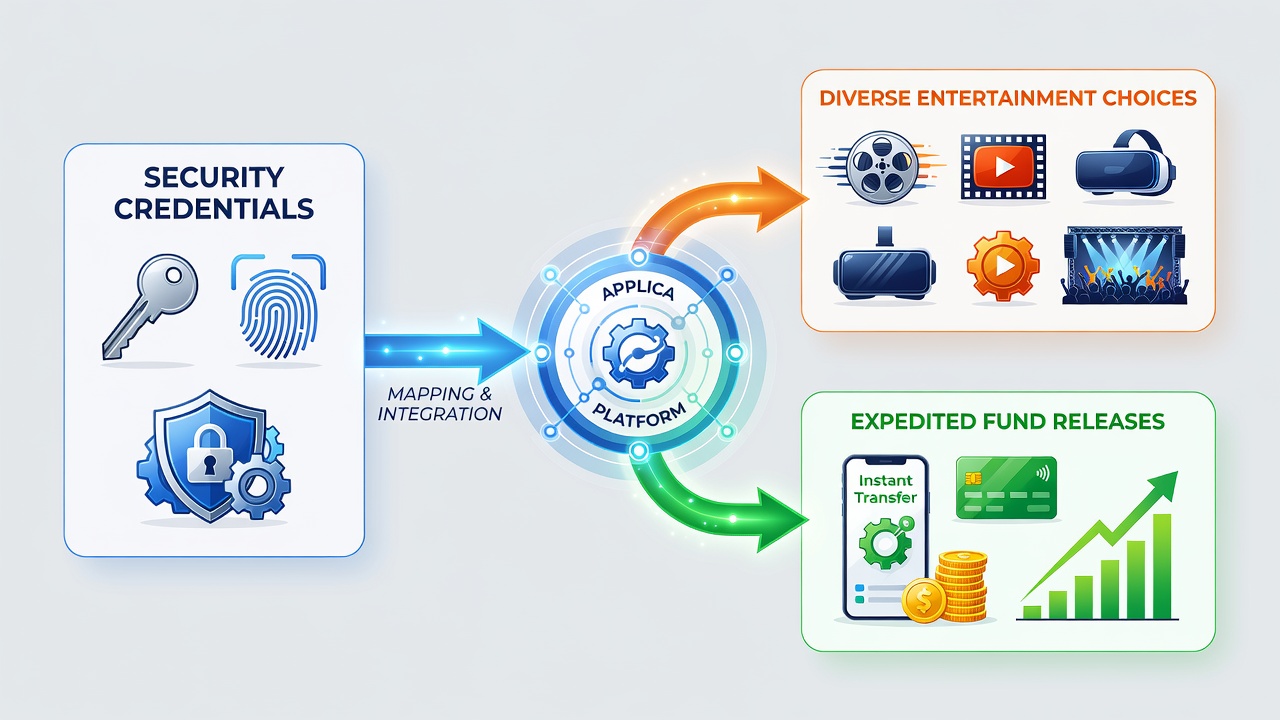
Transaction logs examined by compliance teams show that linking security credentials to specific entertainment choices also influences which payout methods activate first. Users who maintain continuous verification across slot and live table sessions often receive priority routing on debit card and cryptocurrency options because the system already holds updated risk profiles. This approach avoids redundant checks that previously delayed releases even after initial deposits cleared.
Regulatory Alignment Across Regions
Regulatory bodies in multiple jurisdictions require that credential mapping protocols demonstrate clear separation between access controls and financial functions. The Nevada Gaming Control Board documentation outlines standards where verified credentials must support both game diversity and transaction speed without compromising audit trails. Similar guidelines from the Australian Communications and Media Authority emphasize that platforms must log how each credential tier connects to available content and payout timelines.
These requirements have led developers to build unified dashboards where users view their mapped status alongside current game catalogs and pending fund release estimates. Data compiled across North American and European markets shows that applications meeting these dual standards process a wider range of entertainment requests while maintaining shorter average payout cycles than platforms relying on static verification lists.
Integration Challenges and Technical Solutions
Developers face ongoing tasks when aligning credential systems with expanding game libraries and new payment rails. Solutions often involve modular APIs that update access rules and release speeds independently yet pull from the same verified user record. Case examples from platform audits illustrate how one credential update can simultaneously expand live table access and shorten e-wallet processing windows without requiring users to re-enter information.
Platform operators continue to refine these mappings as new game formats and faster transfer methods enter the market. Reports released in September 2026 noted measurable improvements in user completion rates for both entertainment exploration and fund movement when credential layers remain synchronized with backend servers.
Conclusion
Mapping security credentials to diverse entertainment choices and expedited fund releases creates a unified operational layer in application-based casino offerings. The process links verification steps to content availability and transaction velocity through shared data pathways that regulators monitor for compliance. Ongoing adjustments in credential tiers and payment routing reflect the need to balance expanding game selections with reliable, documented release mechanisms across mobile environments.