Bridging Verified Compliance and Reward Availability in Pocket-Sized Platforms Offering Spins Alongside Real-Time Interactions
Viktor Peters · Nov 7, 2026
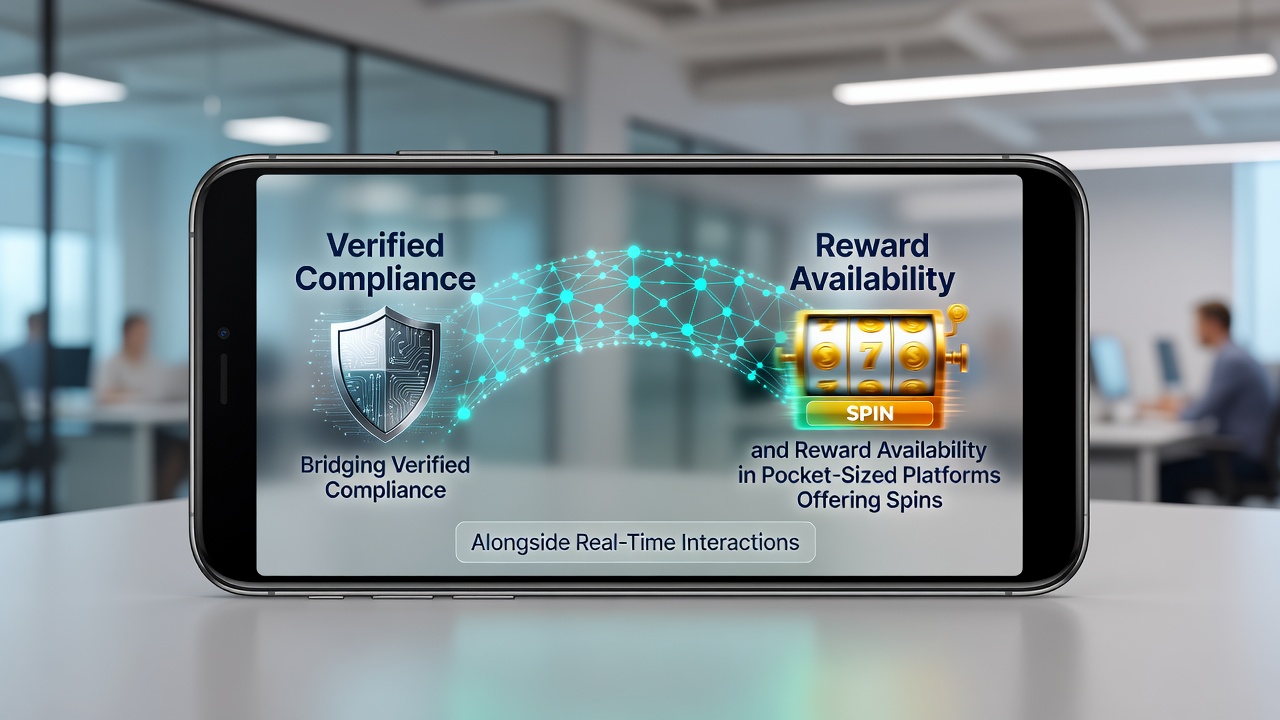
Bridging Verified Compliance and Reward Availability in Pocket-Sized Platforms Offering Spins Alongside Real-Time Interactions
Platforms that fit into a pocket now combine slot spins with live dealer tables, yet the real challenge lies in connecting verified compliance frameworks directly to reward distribution systems. Data from industry monitoring groups shows that users access these features through applications where certification seals determine how quickly bonuses convert into playable credits or cashouts. Observers note that this connection relies on layered authentication processes that verify identity, transaction history, and game fairness before any reward becomes active.
Regulatory Pathways and Certification Standards
Certification bodies across multiple regions establish the baseline for these pocket-sized platforms, and those standards directly influence reward availability timelines. In the United States, the Nevada Gaming Control Board maintains records of approved testing laboratories that evaluate random number generators and live stream integrity, while similar oversight exists through agencies in other jurisdictions. Platforms that carry current seals from these bodies can route rewards through verified networks without additional delays, because the underlying compliance data already matches transaction protocols.
Researchers tracking mobile gaming adoption found that applications passing multi-jurisdictional audits experience fewer interruptions when users claim daily spins or live table incentives. The process involves mapping each compliance score to backend reward engines so that verified accounts receive instant credit allocation once minimum play thresholds are met. This linkage reduces friction points that previously separated safety verification from actual payout processing.
Transaction Networks and Reward Activation
Real-time interactions require payment rails that operate alongside slot mechanics, and compliance verification sits at the center of both. Payment processors that integrate with certified platforms use tokenization methods to confirm user status before releasing loyalty points or deposit-match rewards. Figures from transaction analytics providers reveal that platforms using unified compliance dashboards cut average reward activation times from hours to minutes during peak usage periods.
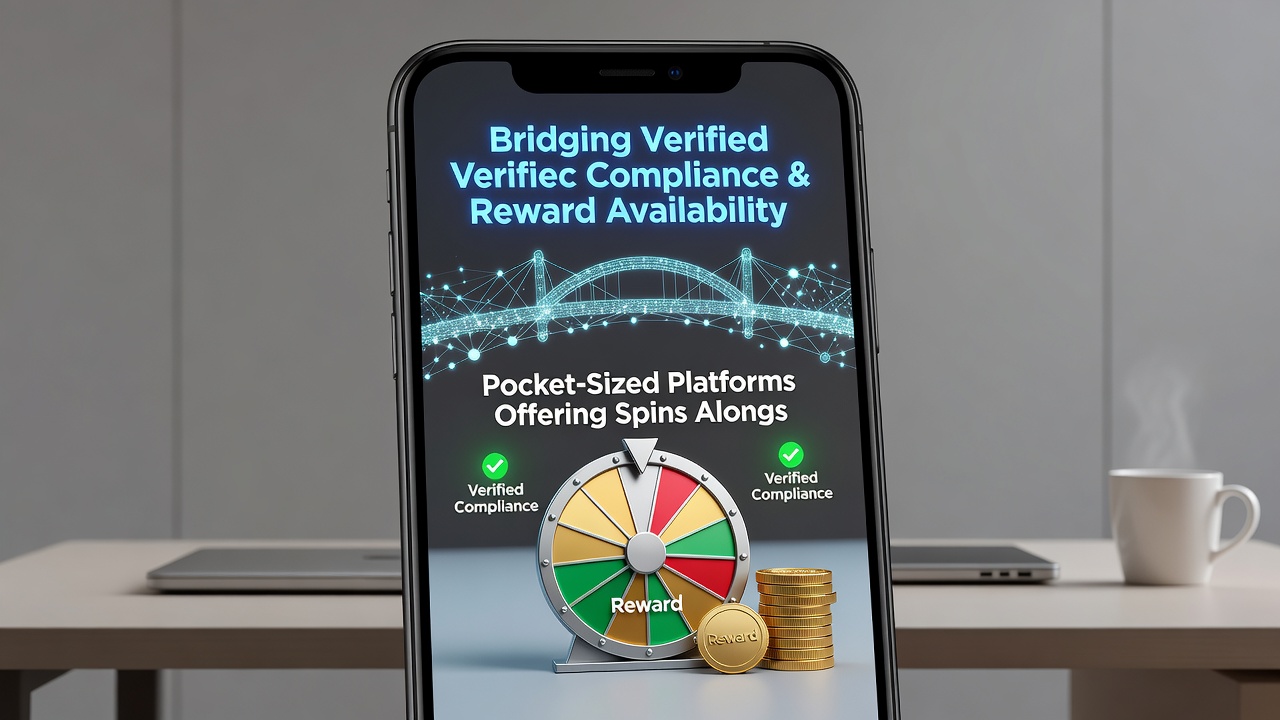
Those who manage these systems often link assessment scores directly to processing queues, allowing higher-rated applications to bypass secondary checks. In November 2026, several operators reported expanded use of these automated bridges after new device authentication standards took effect across North American and European markets. The result appears in faster credit delivery for users who combine reel spins with live dealer sessions within the same session.
Integration of Spins and Live Interactions
Applications offering both slot spins and live tables must maintain separate compliance records for each format, yet reward systems treat the combined activity as a single user profile. This requires middleware that pulls verification data from slot RNG certifications and live dealer stream audits simultaneously. Industry reports indicate that platforms achieving this synchronization see higher retention rates because users receive unified reward progress across game types without switching between separate compliance checks.
Take the example of one developer who integrated a shared ledger for both game categories, and data shows reward eligibility windows shortened noticeably once the ledger connected to regulatory reporting APIs. The approach uses encrypted identifiers that travel with each spin or bet, ensuring reward calculations remain accurate even when users move between automated reels and real-time table play.
Challenges in Maintaining Continuous Verification
Device-level changes, such as operating system updates or new security patches, can temporarily break the bridge between compliance records and reward engines. Platform operators address this by running continuous monitoring scripts that re-verify certificates whenever a session starts. According to research compiled by academic gaming centers, these automated checks prevent reward blocks that once occurred after routine software updates on popular handheld devices.
Geographic variations add another layer, since different regions enforce distinct reporting intervals for compliance data. Platforms serving multiple markets maintain regional compliance caches that feed into a central reward availability module, allowing users to access incentives regardless of their current location as long as the local certification remains current.
Conclusion
The connection between verified compliance and reward availability continues to evolve as pocket-sized platforms expand their offerings of spins and live interactions. Regulatory data feeds, transaction network integrations, and device authentication layers now operate as linked components rather than separate steps. Those who track these developments observe that successful implementations depend on consistent mapping of certification outcomes to reward processing rules across all supported game formats. As standards advance, the focus remains on maintaining that bridge so users experience uninterrupted access to both entertainment and incentives within the same application environment.